Supervision Training Courses

Supervision in itself is a young discipline compared with Counselling or Psychotherapy.Supervision has been around for many decades ,especially in the area of Education and Teaching.

Managerial Supervision, Administration Supervision, and Business Supervision have also  grown in use through this period.

Of course in the world of Psychoanalysis, Supervision has been around for some time.In the early 1990s some of the Education centres and early Psychotherapy centres, put on Supervision courses as the need for Clinical Supervision became more evident.At the Manchester Institute of Psychotherapy, we have been running  Clinical Supervision courses, and Training  Supervisors for the last 25 years.

At the present time of writing the Manchester Institute for Psychotherapy runs a Supervision course that carries a Certificate,which is useful for anyone thinking of working in the area of  Supervision, learning about Supervision, or indeed refreshing their skills in this area

In the next year, the Institute will be putting on a Diploma in Supervision Training which will carry on naturally from the Certificate and Supervision.

It will be an Advanced course for people who have awarded the Certificate in Supervision,and want to extend their knowledge in the area of Clinical Supervision.

Supervision then, is essential for all Therapists and Counsellor,and in Manchester as a whole we have seen the need for Clinical Supervision grow as the demand for Counselling and Therapy has grown.

Bob cooke 2013
 

Supervision For The Seasoned Reflexologist

Supervision is a vital ingredient for anyone working in the caring professions, indeed over the last 30 years supervision has become a central part of the repertoire for most of the caring professions.

We have seen Supervision become a central force in the areas of Counselling, Nursing, Police, Osteopathy, Psychotherapy, Probation officers, 0ccupational therapists and Social workers.

My thesis is that Supervision is a pre-requisite for the development of reflexology as a caring profession in the 21st century.

What then is Supervision? And why is it so necessary?

Supervision in itself is a place where the Reflexologist can really bring themselves and their patients cases for reflection, consideration, and support in the quest for informing their skills in the service of the wellbeing of their clients.

Supervision should be a safe, secure place where the Reflexologist can, if they wish, share all their frustrations, anxieties and victories with another seasoned professional who will be part of a non-judgmental and confidential relationship.

There are many tasks for the Reflexology Supervisor which I have outlined below.

Firstly, and most importantly the Supervisory relationship will have as a central tenant the concept of Confidentiality. This will mean that the Reflexologist can bring their cases to discuss, to reflect on, in an arena of safety and security.

Secondly, it is the task of the supervisor to act as an Educator and Mentor where they will be able to pass on and inform the Reflexologist of new models and techniques that are pertinent to their profession. Of course they will also be able to share and discuss their own methodology and practice.

Thirdly, the arena of Supervision will provide a Reflective space for any anxieties, doubts and uncertainties that the supervisee may want to consider an reflect on with an experienced other professional.

Fourthly, one of the important tasks for any Supervisor is the Gate-keeping function. This is where the Supervisor will keep abreast and monitor the administrative, ethical, and numerous latest organisational developments that might affect and be important to the supervisee in and ever increasing complex and busy world.

Often we “don’t know” what we “don’t know”, we might need some information piece or some latest documentation which we were not aware of or even existed in the first place.

Fifthly, the final task for a Supervisor to bear in mind is to provide a “counselling” role.

This does not mean in depth counselling, this simply means there might arise within the supervisory relationship the need for the supervisor to give some “on the spot” counselling, in terms of decreasing anxiety so that the supervisee will be more grounded to aid case consultation.

The above are some of the tasks I see for the supervisor within the Supervisory relationship.

Perhaps one of the central questions is who can supervise and what are the necessary qualifications for that position?

Due to the infancy of Supervision in the Reflexology field, there is at present a scarcity of supervisors, if any!

What I propose is that experience Reflexologists in the organisation, who may wish to be Supervisors, and who may wish to pass on their wisdom and experience, attend the increasing number of short and longer courses which are now becoming available to them in the area of supervision, this then will result in a greater supply of Supervisors in the medium term.

At present we have an “Apprentice” style of mentoring in the reflexology field. This is where the “Elders” of the community who are more experienced through time and continuity give “informal” Supervision. Their only qualification is that they have done the job of a successful Reflexologist down the years.

This is fine in many ways, though what I propose now as we face up to the professionalization of the reflexology world is to make “Supervision” a discipline in its own rights in the service of developing and providing a more professional Reflexologist for the modern world.

Bob Cooke  2010

The Manchester Institute for Psychotherapy -established 1987

mipWelcome to the Manchester Institute for Psychotherapy, Counselling and Supervision
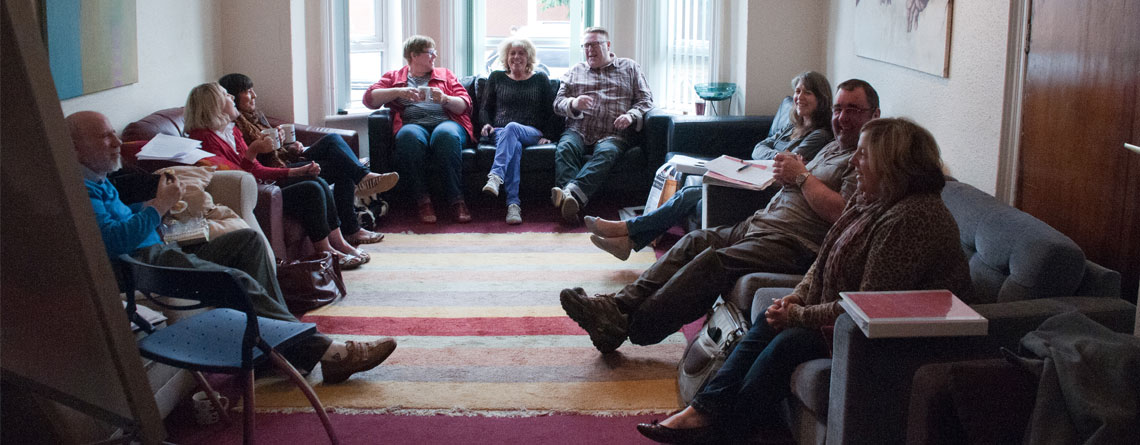

Established in 1987, the Manchester Institute is a non profit making educational organisation, specialising in the areas of Psychotherapy and Counselling Trainings, Counselling and Therapy Services, Supervision Training, Continuing Professional Development, and Psychotherapy Conferences.

Our mission is to provide a centre of excellence in terms of training of Psychotherapists, Counsellors and Supervisors as well as offering a Comprehensive Continuing Professional Development programme.

We operate in Manchester (England) though we cover all areas in the UK and many International localities.  We promote a rigorous professionalism grounded in concern and humanity, both in skilled practitioner services and professional training.

All our courses are part time and specifically designed to be managed alongside current occupations.

As well as individual, group and couples’ therapy and counselling, we offer:

  • 4 year, part time psychotherapy training in Transactional Analysis, using an Integrative approach. This course is taken at weekends,and leads to a National and International accreditation.
  • National and International accredited introduction in Transactional Analysis.
  • Introduction to Supervision
  • Certificate in Supervision
  • Continuing Professional Development Programme
  • Psychotherapy Conferences

Psychotherapy and Counselling for all.

We offer a comprehensive Therapy and Counselling service to the public.

At the Manchester Institute there are over 14 therapists and counsellors who are experienced and qualified in the areas of facilitating people towards personal growth and problem solving.

Areas such as relationship issues, divorce and separation, anxiety, depression, self esteem, panic attacks, bereavement, sexual abuse, assertiveness and general well being are just some of the areas dealt with within the therapeutic services that the Institute offers.

Assessment and Referral Procedure

We operate a unique referral system where we will help guide a person to the appropriate therapist/counsellor of their choice. The referral system has been running for over 11 years and has provided a useful mechanism for people to find the right therapist and counselling services that will suit their specific needs.

If you are interested in having counselling or therapy with us please click here for more information or email us using this contact form.

Supervision Checklist

In this video we will go through a Supervision check list- This Supervision final list will be useful for new Supervisors to reflect on. People thinking about going into the area of Supervision for first tine will find this video invaluable as a resource for new thinking and debate.  The seasoned Supervisor will also find this Supervision video useful when reflecting on Supervision in General.